Posts Categorized: Uncategorized

What Should the Indoor Humidity Level Be in Florida Homes?
What Should the Indoor Humidity Level Be in Florida Homes?

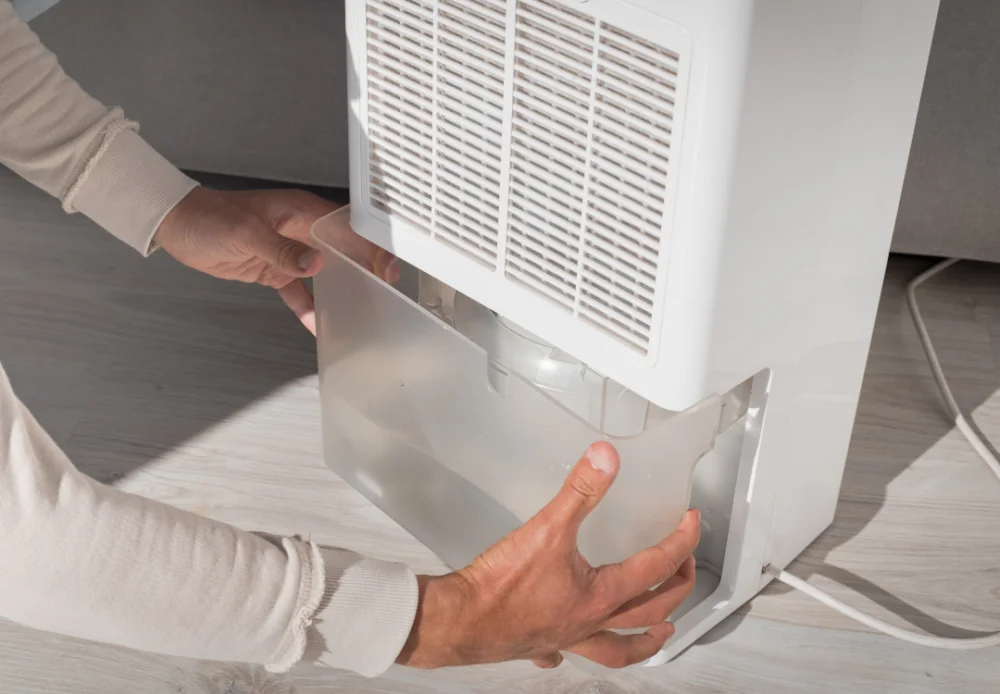
Hands changing a full water bin from a dehumidifier

Florida is known for its warm climate and, more notably, its humidity. For homeowners, learning how to handle the moisture in the air can be a challenge, especially when it comes to maintaining comfort and health in your home.

Understanding the ideal indoor humidity level is important for creating a comfortable space and ensuring your HVAC system operates efficiently.

At Hopkins Air Conditioning, we know how important the humidity levels are in your home. Here’s information on what your indoor humidity level should be.

How Humidity Levels Affect Your HVAC System & Home

Excess humidity can make your Florida home uncomfortable and lead to several issues. High humidity can affect your home’s structure and air quality. When humidity levels are too high, it can encourage mold and mildew growth, which are harmful to your health and your home’s integrity.

Plus, your HVAC system has to work harder to maintain a comfortable atmosphere, which can lead to increased energy costs and wear on the system.

In Florida, where humidity is a constant battle, managing your indoor humidity effectively is important. It helps you have a comfortable living space and prolongs the life of your HVAC system.

Tips for Managing Humidity Levels in Your Home

For ideal comfort, the recommended indoor humidity level is generally between 45% and 55%. When your humidity falls in this range, it’s dry enough to prevent mold growth and keep a comfortable environment without feeling too dry.

To manage humidity levels in your Florida home, consider these tips:

  • Use dehumidifiers: These are essential in Florida homes to maintain the right humidity levels. Dehumidifiers pull excess moisture out of the air and turn it into water that can be drained.
  • Ventilate: Ensure your home is well-ventilated, especially in areas like kitchens and bathrooms, where moisture is more prevalent. Allowing air to circulate will help reduce humidity buildup.
  • Regular HVAC maintenance: Keep your HVAC system, including the ductwork, well-maintained. It helps reduce the strain on your system.
  • Insulate: Proper insulation helps maintain indoor temperature and humidity levels.

These basic tips will help you maintain a more comfortable humidity level in your Florida home. You can also use a hygrometer to keep track of the humidity. It’ll help you make more informed decisions.

Expert Humidity Control From Hopkins Air Conditioning

At Hopkins Air Conditioning, we’re committed to providing the best solutions for your indoor humidity needs. With over 40 years of experience in the industry, we understand the challenges of Florida’s climate.

We offer:

  • Same-day service with upfront pricing
  • Free estimates on replacement quotes
  • Custom HVAC solutions with a focus on whole-house systems and ductwork efficiency
  • A team of licensed, insured, and background-checked technicians

Our family-owned business proudly serves the West Palm Beach area. We’re known for our clean, honest, professional, and respectful service. Our awards, including the Angi Super Service Award and A+ rating from the BBB, mean you can trust you’ll get only the highest quality service.

Control the humidity in your Florida home with AC services from Hopkins Air Conditioning. Call (561) 656-4870 to schedule an AC appointment.
How Can Improving Your Indoor Air Quality Help Fight Allergies?

How Can Improving Your Indoor Air Quality Help Fight Allergies?

If you often feel miserable because of allergies, poor air quality might be your real problem. Irritants, allergens, and other contaminants can initiate allergy symptoms and result in a lower quality of life for everyone in your home.

In this blog, we’ll discuss how poor indoor air quality can affect your allergies and provide tips to combat it.

How Does My HVAC System Affect My Allergies?

Your HVAC system plays an important role in the quality of air you breathe indoors, which can directly impact your allergies. Here’s how your HVAC system can affect your allergies:

  • Filtration system: One of the primary functions of your HVAC system is to filter the air in your home. A high-quality air filter can capture allergens such as pollen, dust mites, pet dander, and mold spores. However, if your HVAC system has a low-quality filter or you don’t change it regularly, these allergens can circulate in your home, worsening allergy symptoms.
  • Humidity control: HVAC systems can help control indoor humidity levels. Maintaining the right humidity level can prevent mold growth and dust mites, which are common allergen triggers. If your HVAC system isn’t effectively controlling humidity, it can contribute to allergies.
  • Ventilation: Proper ventilation is important for reducing indoor air pollutants. If your HVAC system isn’t well-maintained or your home lacks adequate ventilation, it can lead to the buildup of allergens, pollutants, and even volatile organic compounds, worsening your allergies.
  • Air ducts: Dirty or poorly maintained air ducts can become breeding grounds for allergens and mold. When your HVAC system circulates air through these ducts, it can distribute allergens throughout your home, causing allergy symptoms.
  • Allergen removal: Advanced air purification systems for your HVAC, like HEPA filters or UV germicidal lights, can significantly reduce allergens and improve indoor air quality.

Your HVAC system can either alleviate or worsen your allergies, depending on its maintenance and the quality of its components. Regular maintenance, including changing air filters, cleaning air ducts, and ensuring proper ventilation, can go a long way in minimizing allergens and creating a healthier indoor environment.

Can a Dirty Air Filter Make You Sick?

Yes, a dirty air filter in your HVAC system can cause cold or flu-like symptoms. As your HVAC system operates, it draws in air from your home and passes it through the air filter to remove particles like dust, pollen, and pet dander.

If the filter is dirty or clogged, it becomes less effective at trapping these particles. As a result, indoor air quality deteriorates, and you may breathe in more allergens and irritants, which can trigger or worsen respiratory issues, allergies, or even illnesses.

To prevent a dirty air filter from making you sick, it’s crucial to follow a regular maintenance schedule. Check your air filter monthly and replace it as needed, typically every one to three months, depending on your system and the level of contaminants in your environment.

Doing so can maintain better indoor air quality, reduce allergen exposure, and ensure your HVAC system operates efficiently, contributing to a healthier and more comfortable living space.

Tips for Improving Your Indoor Air Quality

Indoor air quality is typically worse than outdoor air quality, so the secret to fighting allergies starts indoors. Here are three helpful tips to improve indoor air quality:

1. Remove Pollen, Dust & Dander

Some of the most common allergens include pollen, dust, and dander. Removing contaminants from inside your home reduces allergy symptoms in people who are sensitive to them.

Regular cleaning and vacuuming lifts away surface irritants, and cleaning HVAC ductwork removes particles and allergens trapped in the ducts. Without the allergens and pollution, everyone in the family is likely to feel better

2. Choose Leather or Vinyl Furniture

Choosing furniture made of leather or vinyl helps make life more comfortable for those with allergies.

Unlike furniture made of upholstery, which is prone to collecting dust, dander, pet hair, dry skin, and a host of other microscopic materials, vinyl and leather furniture doesn’t allow these materials to penetrate into the cushions. For people with allergies, this can help control symptoms dramatically.

3. Don’t Smoke

Smoke from cigars, cigarettes, and other tobacco products significantly reduces indoor air quality. This is bad for people with allergies and unhealthy for anyone in the home.

Second-hand smoke is harmful and can cause undue respiratory stress for babies, young children, older people, and those with compromised respiratory or cardiovascular systems. Luckily, these issues can easily be avoided by not smoking or implementing a no-smoking policy in your home.

Call the Professionals at Hopkins Air Conditioning

The fewer irritants, free radicals, and contaminants your home contains, the better everyone is more likely to feel. If you live in the Palm Beach, Florida, area and need HVAC services for a cleaner home, call Hopkins Air Conditioning today.

In addition to helping with indoor air quality, we offer heating and cooling repair, maintenance, and installation. Contact us to see how we can help you.

Contact the experts at Hopkins Air Conditioning to schedule professional HVAC maintenance.

How to Unclog an AC Drain Line

How to Unclog an AC Drain Line

A clogged AC drain line causes water to back up in the line and flood into your home. This is an obnoxious issue that can cause water damage, mold growth, and reduced AC efficiency.

Signs you have a clogged AC drain line include water leaks near the unit, musty smells, or the system shutting down for no apparent reason.

Hopkins Air Conditioning is here to explain why these clogs happen, the steps you can take to clear them, and how to prevent future clogs.

Contact Hopkins Air Conditioning for help with fixing your clogged AC drain line.

Why Do Air Conditioning Drain Line Clogs Happen?

The drain line in your air conditioning system removes excess moisture and prevents water buildup by directing condensation away from the unit. When the drain line is clogged, it can interfere with the system’s performance and cause damage.

There are several reasons why drain line clogs happen, including:

  • Dirt and debris buildup: Dust, dirt, and other particles can mix with condensation, creating a sludge that clogs the line.
  • Algae and mold growth: Dark, moist drain lines are ideal for mold and algae growth, especially in warm climates like Palm Beach.
  • Improper slope of the drain line: If the drain line isn’t sloped correctly, water can pool and cause blockages.

How to Clean Out Your AC Drain Line

If you have a clogged AC drain line, this may seem like a daunting issue, but there are steps you can take to clean out the drain line yourself. When in doubt, you can always call a professional for assistance.

Steps to clean out your AC drain line include:

  1. Turn off the AC power: Ensuring the AC is off helps prevent electric shock or damage to the unit while you’re cleaning it.
  2. Locate the drain line: The drain line is typically a PVC pipe located near the outside AC unit. It’s often labeled.
  3. Use a wet/dry vacuum: Attach a wet/dry vacuum to the drain line and turn it on to suction out the clog. Hold the vacuum hose tightly against the opening to create a seal, which will help with tough clogs.
  4. Clean with vinegar solution: Mix 1 cup of vinegar with 1 cup of water to create a vinegar solution. Pour the solution into the drain line and let it sit for about 30 minutes to kill algae and break up sludge.
  5. Flush with water: After pouring the vinegar solution into the drain line, flush the pipe with fresh water to remove any remaining buildup.

If you’re having trouble with this process or the clog persists, call the professionals at Hopkins Air Conditioning for assistance.

Best Ways to Prevent Future Drain Line Clogs

After you’ve cleared the clog from your drain line, it’s important to be aware of ways to prevent clogs from happening in the future. Scheduling regular maintenance with an HVAC professional is one of the best ways to care for your AC system. Regular maintenance helps technicians catch and address minor issues early on so they don’t spiral into costly repair jobs.

You can also perform flushes with a vinegar solution monthly to prevent algae buildup. Other preventative tips include visually checking and clearing the drain line every few months and installing a safety switch. A safety switch, also known as a float switch, can shut off the AC if water backs up, preventing damage.

Call Hopkins Air Conditioning for Air Conditioning Repair in Palm Beach, FL

When you need superior air conditioning services, including expert repair and emergency services, turn to Hopkins Air Conditioning. We’ve been serving Palm Beach and the surrounding areas with the highest-quality HVAC services since 1988.

Our professionals are on standby to provide:

  • Quick, thorough cleaning and maintenance
  • Professional-grade tools and techniques
  • Peace of mind and enhanced AC efficiency
  • And so much more!

Contact Hopkins Air Conditioning for professional AC repair in Palm Beach and keep your system running smoothly all year.

How to Troubleshoot Your AC Issues

How to Troubleshoot Your AC Issues

With Florida’s intense heat and humidity, there is never a good time to have an air conditioner break down. Even a short wait for AC repairs can leave your home hot, sticky, and uncomfortable. To possibly save some time and money, consider doing a bit of AC troubleshooting yourself. Here are a few tips that can help:

  1. Check your thermostat settings: Thermostats can easily be reset, or they may lose their settings if their batteries die. Ensure the thermostat has power, change the batteries if necessary, and verify that it is set to “cooling” mode with the fan set to “auto.”
  2. Reset the breakers: If the control board has a glitch or a breaker has tripped, resetting the breakers for the AC unit may allow it to start normally. Find the breakers in the main service panel, switch them off, then back on to reset them.
  3. Replace the air filter: If your AC is running but it is not cooling properly or has poor airflow, check the air filter. If it is dirty or clogged, replacing it may solve the problem.
  4. Check the air ducts: Ensure none of the AC vents are blocked by curtains, furniture, or other items. Look inside the ducts to make sure there are no obstructions like toys, dirt, or debris. Blockages in air ducts can reduce cooling and contribute to a breakdown.
  5. Check the outdoor unit: If there is tall grass, lawn furniture, toys, or debris too close to the outdoor condenser unit, it may interfere with system airflow and heat transfers. Keep an area of 2 feet clear around the condenser unit, and if the coils look dirty or clogged with debris, have them professionally cleaned.

One of the best ways to avoid AC problems and breakdowns is to schedule at least one AC service visit a year. Routine AC maintenance is essential to your air conditioning system’s performance, efficiency, and service life, as is changing the air filter regularly.

When to Call a Professional for AC Troubleshooting

If the previous steps did not help to get your air conditioner running, it is best to call a professional. A qualified HVAC contractor can spot problems quickly and help you to avoid further system damage. At Hopkins Air Conditioning, Inc., we are happy to help with all your AC repair and service needs. Call our team right away when you notice any of the following signs of more series AC problems:

  • Significantly higher energy bills than normal
  • Loud or unusual noises like grinding or screeching
  • Musty or sour odors
  • Smoke or burning plastic smells
  • Water or refrigerant leaks
  • Reduced cooling output or airflow
  • Frequent on and off cycling
  • Trouble starting or staying on
  • Electrical problems like arcing or loose connections
  • A faulty thermostat or control board

We offer AC repair and emergency AC service throughout West Palm Beach and the surrounding communities. Contact us anytime for help with your AC problems.

AC Service & Repairs in West Palm Beach, FL

Unless it’s something simple, like a clogged filter or dead thermostat batteries, a professional should handle most air conditioner repairs. At Hopkins Air Conditioning, we have over 30 years of experiencing serving West Palm Beach, providing high-quality AC maintenance, repairs, installations, and more. As a family-owned company, we are highly involved with our community, and the comfort and health are our customers is our top priority. We will work diligently to get your air conditioner repaired as soon as possible, and we offer superior service and workmanship with every visit.

Call us today at 561-656-4870 or contact us online to schedule AC repairs or service anywhere in the West Palm Beach area.

How to Tell if Your AC Fuse Is Blown

How to Tell if Your AC Fuse Is Blown

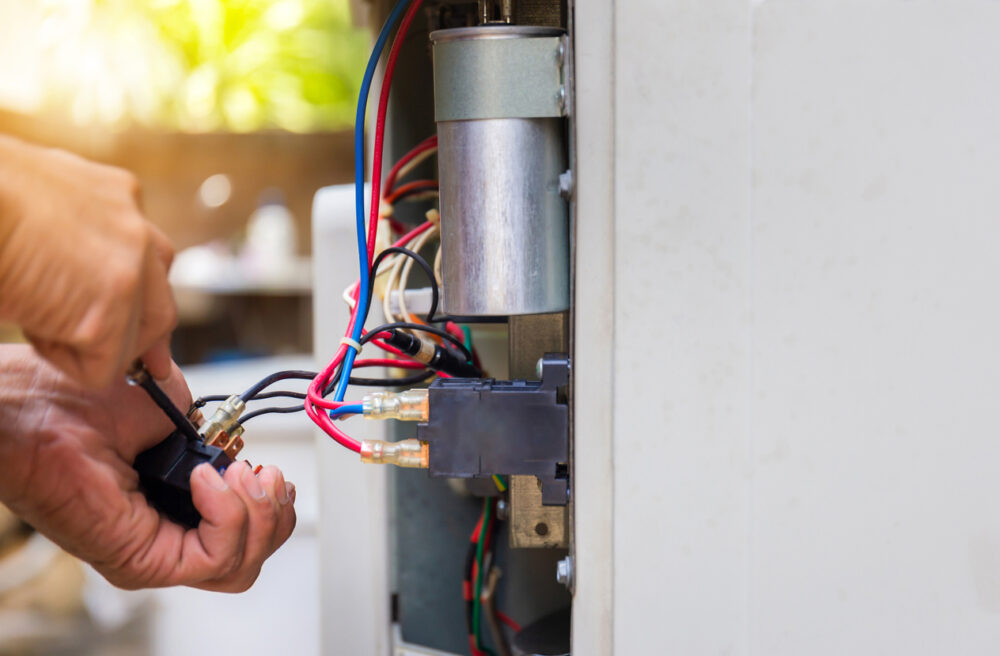
Close up of a repairman fixing air conditioning system, changing magnetic contactor

With average temperatures of 90º F and high humidity, summers in West Palm Beach can be sweltering without a functioning air conditioner system. A working air conditioner is essential for maintaining comfort and avoiding health hazards like dehydration or heat stroke.

The fuses in your AC unit play a pivotal role in protecting it from electrical surges and damage. Knowing how to identify a blown fuse can save you from unnecessary discomfort and costly repair services.

In this blog post, the experts at Hopkins Air Conditioning discuss how to tell if your AC fuse is blown and what steps to take so you can restore power to your system quickly.

Signs Your AC Fuse Is Blown

Here are a few signs to watch out for that indicate a potentially blown fuse:

  • No response from the AC unit: If your AC does not turn on when you set it to cool, this could indicate a blown fuse.
  • Tripped circuit breaker: A blown fuse may cause the circuit breaker to trip, cutting power to the AC system.
  • Humming noise: A blown fuse can sometimes create a humming noise in the AC unit, even if the system is off.
  • Visible damage: Check for any visible signs of damage to the fuse, such as a burnt appearance or broken filament.

How To Check for a Blown Fuse

If you’ve noticed these signs, it’s time to inspect your AC unit. Let’s take a look at how to check for a blown fuse:

  • Turn off the power: Before inspecting the fuse, ensure the power to your AC system is turned off at the circuit breaker to avoid electrical shock.
  • Locate the fuse box: The fuse box is typically near the outdoor unit or inside the house near the AC system.
  • Inspect the fuses: Look for any obvious signs of damage or wear on the fuses. If you notice anything unusual, the fuse may be blown.
  • Use a multimeter: To confirm if a fuse is blown, test for continuity with a multimeter. The fuse is likely blown and needs replacement if there is no continuity.

What To Do if Your AC Fuse Is Blown

If you discover that your AC fuse is blown, follow the steps below to restore power to your system:

  • Replace the fuse: If you have a spare fuse that matches the specifications of the blown part, you can replace it yourself. Turn off the power before doing this.
  • Seek professional assistance: If you’re uncomfortable replacing the fuse yourself, contact a technician to handle the replacement.
  • Take preventative precautions: Regular AC maintenance can prevent fuse issues. Schedule maintenance services at least twice annually to keep your AC in working condition.

Schedule AC Repair With Us Today

If you suspect your AC fuse is blown or your AC unit is experiencing issues, contact the experts at Hopkins Air Conditioning for same-day air conditioning repair services. Proudly servicing West Palm Beach families since 1988, our team is dedicated to delivering high-quality workmanship and unparalleled convenience with every job we perform.

Hopkins Air Conditioning can fix your blown AC fuse. Contact us to book AC repair services in West Palm Beach today.

How Tariffs Will Impact HVAC & Plumbing Prices in 2025

How Tariffs Will Impact HVAC & Plumbing Prices in 2025

As Florida homeowners prepare for another hot and humid summer, changes in global trade policies may affect their preparations for HVAC and plumbing projects. New tariffs on imported goods like steel, aluminum, and HVAC parts are expected to take effect in 2025, causing ripple effects throughout the industry.

In this blog post, the home service experts at Hopkins Air Conditioning discuss what you can expect from the upcoming tariffs and how to stay ahead of the curve.

Disclaimer: As of the publication date of this blog, tariffs are set to take effect against steel, aluminum, and imported goods from China, Mexico, and Canada. However, ongoing disputes may impact whether these tariffs remain in place, are adjusted, or are paused. The information in this article is based on current projections and may change as new developments arise.

What Are the New Tariffs on Imported Goods?

In 2025, proposed and reinstated tariffs are targeting several materials and products critical to the HVAC and plumbing industries, including:

  • Steel and aluminum imports, which are heavily used in the manufacturing of HVAC units, ductwork, water heaters, and piping systems.
  • HVAC components from China, Mexico, and Canada, including motors, compressors, thermostats, and control panels.

These tariffs increase the cost for manufacturers sourcing materials from affected countries, which raises the cost of finished products. Distributors and contractors must also navigate higher shipping fees and production delays, compounding the price pressure.

What Does This Mean for HVAC Equipment Prices?

As the tariffs trickle through the supply chain, homeowners can expect:

  • Price increases on HVAC and plumbing systems: Equipment prices may rise by 5 – 15% or more, depending on the unit type and brand.
  • Supply chain disruptions: Limited access to essential parts may lead to shipping delays, back-ordered items, and longer project timelines.
  • Higher service costs: Contractors facing increased overhead may adjust their pricing to reflect the cost of doing business.

While some manufacturers may temporarily absorb part of the cost, these increases will likely be passed on to consumers in the long run.

What Can Homeowners Do Against Rising Prices?

Tariff-related price hikes don’t have to bust your budget. By scheduling preventative maintenance, you can extend the life of your HVAC and plumbing systems, helping you avoid premature replacements. If you know an upgrade is on the horizon, scheduling now can help you lock in current prices before tariffs take full effect, saving you money.

Many utility companies and manufacturers also offer rebates for energy-efficient equipment. Pairing those with flexible financing from Hopkins Air Conditioning can help make upfront costs more manageable.

Should I Upgrade My HVAC System Before Tariffs Take Effect?

If your system is over 10 years old, prone to frequent breakdowns, and experiencing inefficiencies, upgrading now can help you beat the price increases and give you access to newer, energy-efficient models. It’s also easier to shop for equipment and schedule installation before contractors become booked up during peak season or parts become harder to find.

Trust Hopkins Air Conditioning for HVAC Services in Palm Beach, FL

At Hopkins Air Conditioning, we’re committed to keeping our neighbors comfortable without breaking the bank. Our team stays current on changing regulations and pricing trends so we can help you make informed decisions in the face of rising costs. Whether you need a repair, maintenance, or full replacement, we offer affordable, honest service and flexible financing designed to fit your budget.

Schedule your HVAC service in Palm Beach, Florida, by contacting our team before tariffs make an impact!

Frequently Asked Questions

When will HVAC price increases from tariffs take effect?

If current timelines hold, price changes could begin as early as Q2 of 2025. Some manufacturers may raise prices proactively, so equipment purchased in late 2024 or early 2025 could reflect those increases.

Will tariffs cause supply chain disruption for HVAC parts?

Yes, delays are possible — especially for components sourced overseas. Expect longer lead times on specialty parts or brand-specific equipment.

Are there rebates available for HVAC or plumbing systems?

Yes. Energy-efficient HVAC upgrades may qualify for federal tax credits, manufacturer rebates, and local utility incentives.

‍

How Often Should I Have My AC Coils Cleaned?

How Often Should I Have My AC Coils Cleaned?

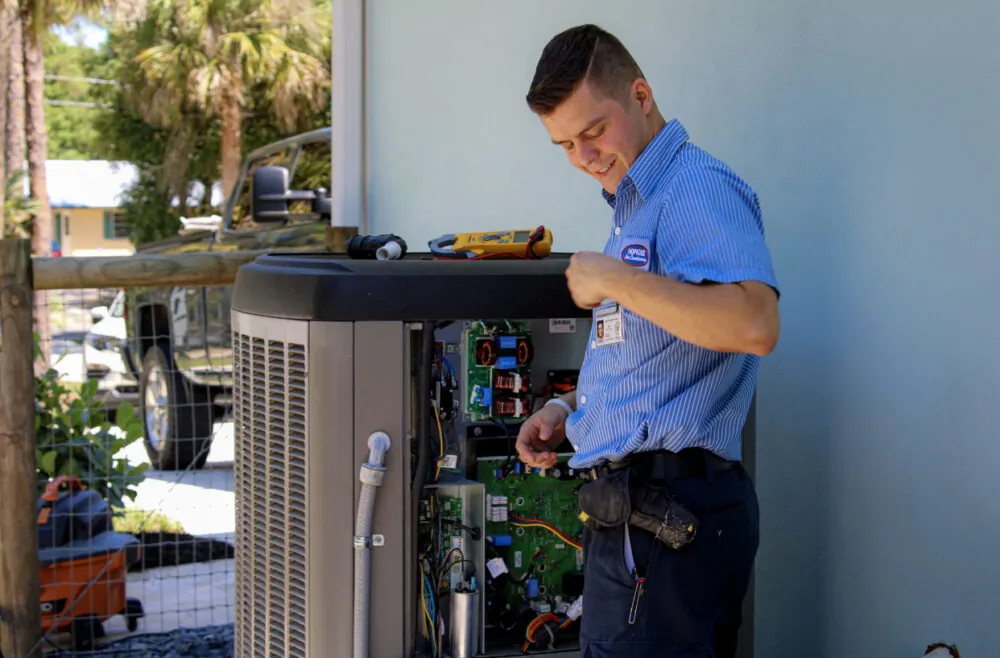
A technician repairing an outdoor HVAC unit

AC coils are a crucial component of air conditioners; they push hot air outside for your unit to produce cool air. To keep your unit operating at its best, it’s essential to keep the coils thoroughly cleaned.

Hopkins Air Conditioning has provided Palm Beach County residents with exceptional AC services since 1988. Here, we’ll discuss the importance of cleaning your AC coils and the most effective methods.

Are you ready to schedule AC maintenance with us? Contact our team to get started.

Is Cleaning Your AC Coils Really Important?

Yes, cleaning your AC coils is vital for your AC’s overall performance and service life expectancy. If not done regularly, it hinders your unit’s ability to properly dispel hot air, resulting in a lack of cool airflow. Considering how hot temperatures can get in Palm Beach, you’re likely running your AC quite often. This means your AC coils collect more dirt, dust, and debris. Ensuring your AC coils are cleaned regularly is the best way to prevent unit inefficiency. Dirty coils can also increase energy usage and wear and tear on your system.

Properly cleaning your coils will improve your unit’s overall cooling performance and energy efficiency, as well as your home’s indoor air quality.

What is the Average Cost of Air Conditioning Coil Cleaning?

The average cost of a professional AC coil cleaning service typically ranges from $100 to $400.

Factors that impact cost include:

  • Type of Coil: Condenser for indoor units or evaporator coil for outdoor units
  • Cleaning Method: cleaning in place, removing and deep cleaning, or acid wash for stubborn buildup
  • How Accessible the Coils Are
  • AC Unit Size: Central air conditioners, ductless mini-splits, and heat pumps have larger coils that can be more challenging to access and clean compared to a small window or portable units

Not sure if your AC unit needs cleaning? Contact our HVAC techs for a consultation and schedule routine air conditioning maintenance in Palm Beach, FL!

How Often Should You Get Your AC Coils Cleaned?

While you can clean your AC’s coils yourself, hiring a professional is a sure way to extend your unit’s lifespan and improve its overall performance. If you decide not to hire a professional, you risk damaging your unit. This can result in a system breakdown and lead to a costly AC repair or replacement.

We recommend cleaning your air conditioning coils twice a year in Florida for maximum efficiency.

Schedule Your AC Tune-Up With Hopkins Air Conditioning

For over 35 years, the licensed and insured team at Hopkins Air Conditioning has provided industry-leading same-day AC services to our Palm Beach County community. We’re family-owned and -operated and prioritize the needs and well-being of our clients.

We offer upfront pricing, financing options, and free estimates on replacements. We also proudly service all brands. Our background-checked technicians are clean, honest, professional, and respectful — with us, you’re always in good hands.

For AC services you can depend on, contact us today.

How the Florida Climate Affects Your AC Unit

How the Florida Climate Affects Your AC Unit

Technician explaining AC service to homeowners.

The weather outside your Florida home significantly affects how your HVAC system will run. On humid days, your system works harder to eliminate water vapor from the air. This puts extra stress on the system and can wear out your AC prematurely.

When there’s excess humidity in your home’s air, your indoor space can feel warmer despite the thermostat temperature, and you may notice condensation on your windows.

Treating your air conditioner properly and ensuring you have the right size system for your house can help improve its function and keep it running well. In this article, we’ll discuss how the Florida weather can affect your HVAC system and how to ensure your AC unit can take on the heat with ease.

The Florida Climate and Your HVAC Unit

Florida has some of the most humid weather in the country. The state is further south than any other state and gets a lot of rain throughout the year. In summer, hurricanes and heavy downpours can make for damp and humid conditions.

An air conditioner works hard to cool the air in your home by cooling off the warm air and removing humidity in the process. When the outdoor air is exceptionally humid, the system works harder and stays on for longer.

Florida ACs are under a lot of stress due to the amount of humidity in the air, and if you’re by the beach, the salt in the air can cause corrosion. This can wear down the system and lead to repair and replacement needs faster than a unit’s average life span. With the right actions, you can keep your system working well.

How To Extend the Life of Your HVAC System

There are many steps a homeowner can take to control humidity and give their AC unit a break, including:

Turn to Hopkins Air Conditioning for HVAC Repairs & Maintenance in Palm Beach

For over 30 years, Hopkins Air Conditioning has kept Floridians cool and comfortable in their homes. Our expert crew can provide the necessary services to get your system working like new. From repairs and installations to maintenance, we’re your go-to crew for all things HVAC.

Take good care of your air conditioner, and it will keep you cool all summer.

Contact us today at (561) 656-4870 to schedule air conditioner services in Palm Beach and the surrounding areas.

How Does Ductwork Affect Your HVAC System?

How Does Ductwork Affect Your HVAC System?

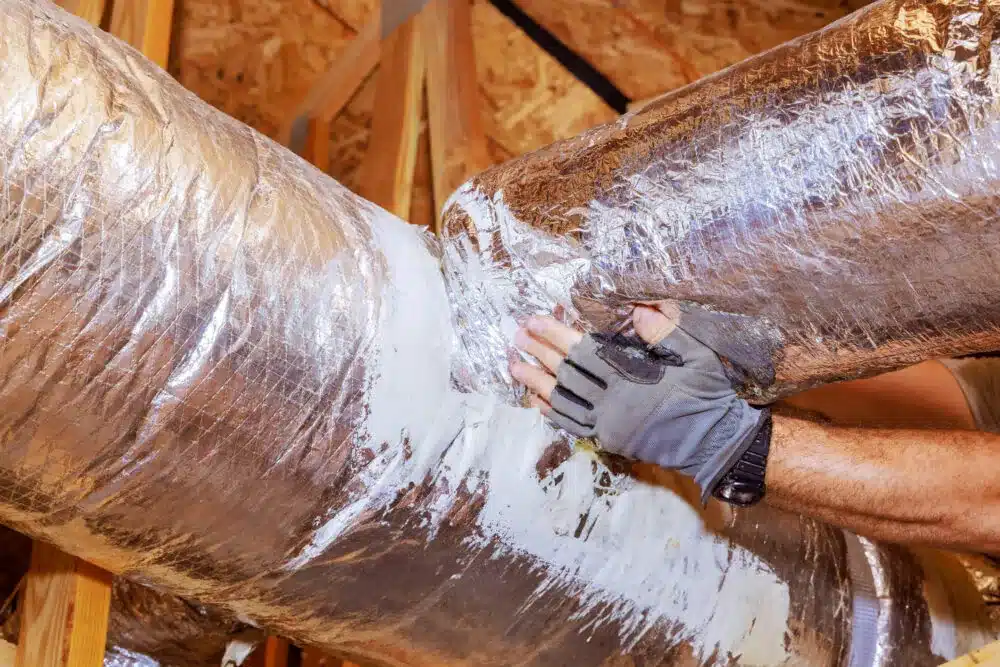
A technician installing a new HVAC ventilation system's ducts

Your home’s HVAC system uses ductwork to move heated or cooled air throughout each room. The ducts act like pathways, ensuring the air flows smoothly to keep your home comfortable. Well-designed ductwork is essential for keeping your home cozy in any season. If the ducts have leaks or aren’t installed correctly, your system might not work efficiently, leading to uneven temperatures and higher energy bills.

At Hopkins Air Conditioning, we specialize in ductwork repair. By improving your HVAC system, we aim to keep your home comfortable and reduce energy costs.

How do ducts work, and how do they affect your HVAC system?

How Does an Air Duct System Work?

Air ducts circulate air throughout your home to maintain a healthy and comfortable indoor environment. The system uses return ducts to pull air from your home into it. The air is then filtered, heated, or cooled. If your AC is on, hot air is extracted from the room and runs over refrigerant coils.

The cooled or heated air is then pushed back into your home through supply ducts and registers, which are openings in the ceiling or wall. As the new air enters the room, it creates a draft that pushes stale air out of return grilles in the walls or floor. This stale air is then transferred to another set of ducts that lead to the return plenum.

How Does Ductwork Affect HVAC Systems?

Ductwork is key to your HVAC system’s efficiency. Good ductwork design and installation help your system run smoothly. Poorly designed or leaky ducts can cause your system to work harder, leading to higher energy bills and uneven temperatures. By focusing on both the unit and the ductwork, we ensure your system runs at peak performance.

Factors that affect your AC’s performance include:

  • Duct size: Ducts that are too small can restrict airflow, making the system work harder and increasing energy consumption. Oversized ducts can also reduce airspeed and circulation.
  • Duct insulation: Insulation can help prevent condensation and moisture issues, improve energy efficiency, and help conditioned air reach its destination.
  • Dust and debris: Dirty ducts can slow airflow due to friction, increasing heating and cooling costs.
  • Design: A convoluted ductwork design with many twists and turns can restrict airflow and make the system work harder to distribute air.
  • Leaks: Gaps or cracks in metal ducts can allow conditioned air to escape into unconditioned spaces, reducing HVAC efficiency.

Types of Ductwork Systems

Hopkins Air Conditioning specializes in HVAC duct systems, so we’re equipped to handle all types of ductwork, including:

  • Galvanized steel ductwork: This is crafted from sheet metal formed into rectangular or tubular shapes. It’s coated with zinc for long-lasting protection against corrosion.
  • Aluminum ductwork: This is also made from sheet metal, either formed on-site or prefabricated. It’s lighter than steel but offers comparable strength, durability, and performance.
  • Fiberglass ductwork: Constructed from fiberglass sheets with built-in insulation, fiberglass ducts excel in thermal performance and reduce noise transmission.
  • Flexible ducts: These ducts feature a wire coil covered with plastic and insulated with fiberglass. They’re easy to install and offer good thermal performance and noise reduction.

Your Trusted Ductwork Installation & Repair Contractors in Florida

Hopkins Air Conditioning is your trusted choice in West Palm Beach when improving your ductwork and HVAC system for peak performance. With over three decades of dedicated service since 1988, we’ve earned our reputation as the premier ductwork installer in the area. Trust Hopkins Air Conditioning for your ductwork needs and experience the difference firsthand.

Are you ready to upgrade your ductwork and save money on your utilities? Contact Hopkins Air Conditioning in Palm Beach County for your estimate today.

5 Common Heat Pump Smells Explained

5 Common Heat Pump Smells Explained

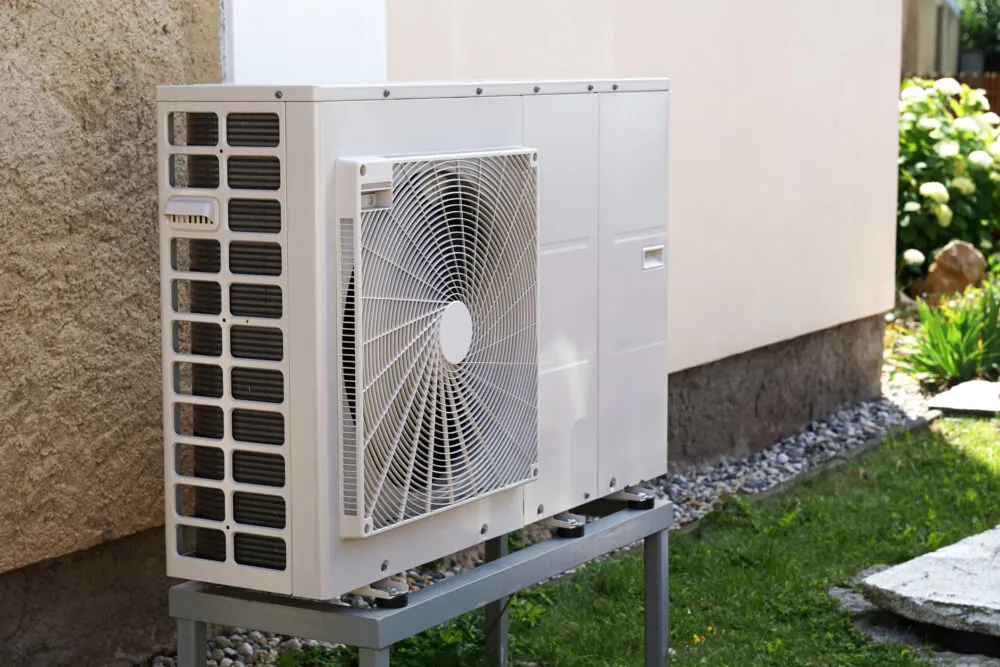
Heat pump outdoors next to a house

Heat pumps play a crucial role in keeping our homes comfortable by regulating temperature. However, unusual smells from your heat pump sometimes signal underlying issues. In this guide, we’ll explore five common heat pump smells, their possible causes, and how to address them.

Musty or Stale Odor

If your heat pump produces a musty or stale odor, it could be a sign of mold or mildew growth. This smell is often a result of moisture accumulating in the system.

To eliminate it, ensure proper ventilation, clean or replace air filters regularly, and consider installing a dehumidifier in your home. Scheduling professional maintenance can also prevent mold and mildew issues.

Burning Dust

A burning dust smell is common when you start your heat pump after a long period of inactivity. Dust settles on the heating elements during the off-season and burns off when the system is first used.

This is typically harmless, but if the smell persists, it may indicate a dirty or clogged air filter. Regularly clean or replace filters to prevent this odor.

Burning Rubber

A burning rubber smell can be concerning but is often a result of friction between components or an electrical issue. If you notice this odor, immediately turn off your heat pump and inspect for visible damage.

It’s advisable to contact a professional technician to assess and repair the issue. Regular maintenance can help prevent such incidents.

Sulfur or Rotten Egg Smell

Heat pumps don’t run on gas, so a sulfur or rotten egg smell is uncommon. If you detect this odor, it may be due to a dead animal in the ductwork or near the heat pump. Ensure your property is free from any deceased animals, and consider installing protective covers on outdoor components to prevent future occurrences.

Rotten Fish Smell

The stench of rotten fish is an unmistakable and unpleasant experience. This offensive odor shouldn’t be taken lightly, especially when it comes from your heat pump. The root cause of this smell often lies in the overheating of certain components, whether plastic or metallic.

When confronted with the smell of rotten fish, switch off your heat pump. Allowing the unit to continue operating under such conditions may lead to further damage. The reasons behind this foul odor are diverse.

They may include issues with the heat pump wiring, overheating of plastic components or the melting of rubber coatings, mechanical malfunctions, or an overheating motor.

Turning off the unit serves as a preventative measure to curb potential harm. Once the heat pump is safely powered down, it’s advisable to seek the expertise of a professional technician to identify the specific cause of the odor and implement the necessary repairs.

Schedule Heat Pump Repairs With Hopkins Air Conditioning

If you encounter any of these smells or experience other issues with your heat pump, it’s crucial to address them promptly. Hopkins Air Conditioning, a family-owned and -operated business providing HVAC services since 1988, offers reliable solutions.

Our background-checked technicians ensure quality repairs, offering same-day service and expertise in servicing all brands. We also provide free estimates on replacement quotes, ensuring transparency and helping you make informed decisions about your HVAC system.

Schedule heat pump repairs with Hopkins Air Conditioning today by calling (561) 656-4870.

SCHEDULE