
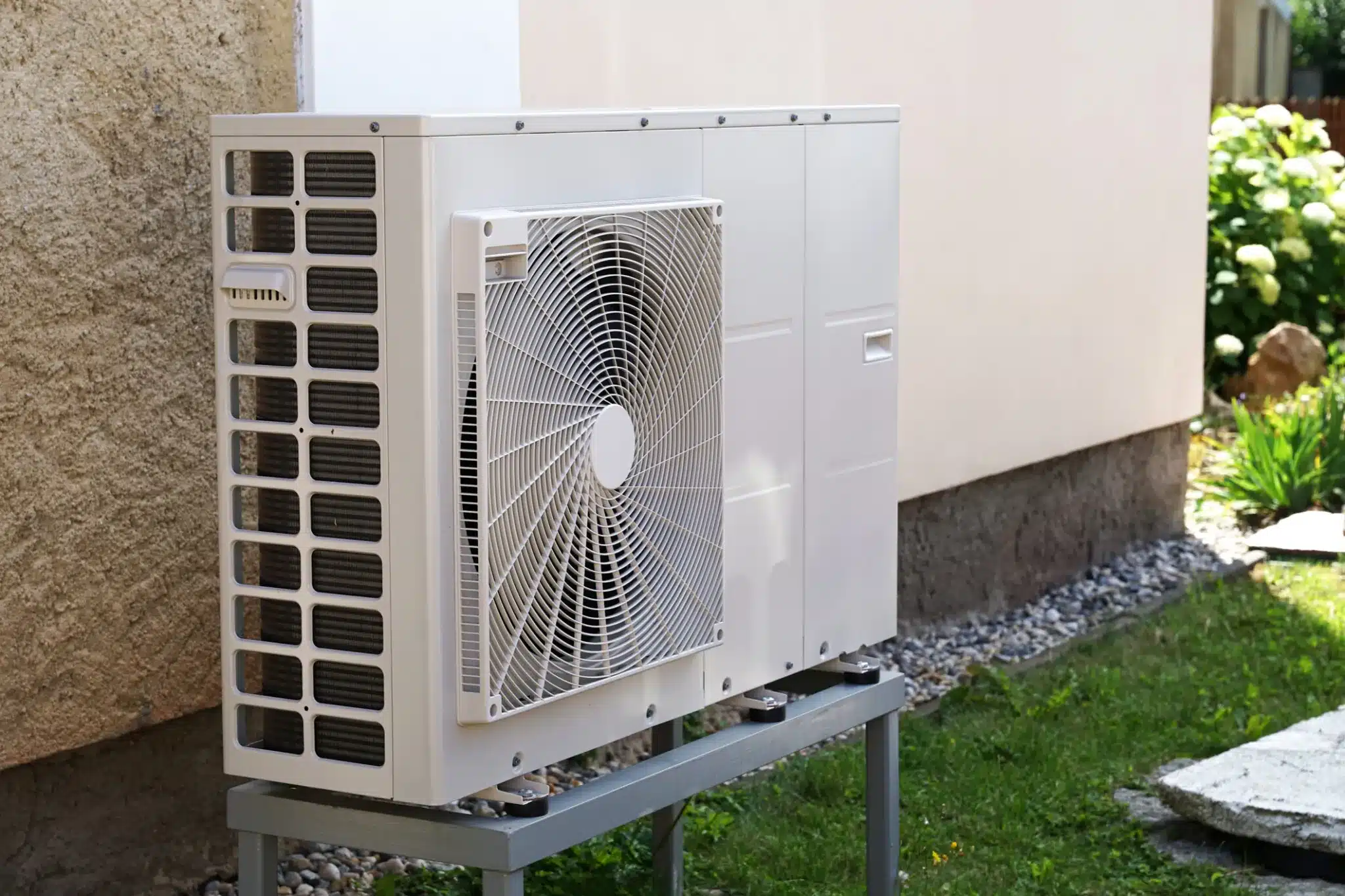
Heat Pump Blowing Cold Air in Heat Mode: What's Normal and What Needs a Technician
A heat pump blowing cold air in heat mode is often running a normal defrost cycle that ends within minutes. If the vents stay cold longer, check your thermostat settings and air filter. If ice won't clear or a breaker trips twice, call a licensed technician.
Cold vents on a West Palm Beach morning are unsettling, but the cause is often simpler than a failed part.
A heat pump is a heating and cooling system that carries warmth indoors from the outdoor air in winter instead of burning fuel to create it. Below are six causes of a heat pump blowing cold air, with a safe check for each and when you need a technician.
Is Cold Air From a Heat Pump Ever Normal?
Yes, a heat pump can blow air that feels cool while heating normally because the air is warm, not hot. Bryant's heat pump owner's manual lists supply air around 90 to 105 degrees and notes, "This air may feel cool if it is slightly below your body temperature."
A thermometer at a vent reading near room temperature, with heat called for and no defrost underway, means the heat pump is not heating properly.
What Changes When a Cold Front Rolls In
Long run times on cold front nights are normal: Carrier's explanation of auxiliary heat notes that "heating capacity and the home's heating demand change as outdoor temperatures fall".
Auxiliary heat is backup electric heat, usually heat strips in the indoor unit, that Carrier says activates "when the heat pump cannot efficiently reach your thermostat's set temperature alone". See when heat pumps become ineffective.
6 Causes of a Heat Pump Blowing Cold Air, From Harmless to Urgent
Work through these in order. Refrigerant is the fluid that carries heat through the system.
1. A Defrost Cycle That Looks Alarming but Ends on Its Own
A defrost cycle is a routine in which the heat pump briefly switches into cooling mode to melt frost off its outdoor unit. The outdoor fan stops and the vents run cool, and Bryant's manual notes, "you may see steam or fog rising from the outdoor unit, which is normal."
Wait it out. Carrier's heat pump troubleshooting guide says a typical defrost cycle lasts about 5 to 10 minutes. Call if cold air lasts longer or thick ice remains.
2. Thermostat Settings That Quietly Call for Cool Air
One wrong setting can make a healthy heat pump blow cool air:
- Set the mode to Cool, or set Auto to a low heat setpoint.
- Set the fan to On, so the blower moves unheated room air between cycles.
- A setpoint below room temperature, or dead batteries.
The O or B changeover setting tells a heat pump thermostat which way to switch the system. A new thermostat set incorrectly can cool when you ask for heat, but a technician can fix it.
Set Heat, fan Auto, and a setpoint above room temperature; if it stays cold through a full cycle, call. See winter thermostat settings in Florida.
3. A Clogged Air Filter Choking Off the Airflow
A clogged filter starves the system of airflow, and on many systems it can trip a pressure safety that stops the outdoor unit while the blower keeps running. ENERGY STAR's heating and cooling guidance warns that "A dirty filter will slow down airflow and make the system work harder to keep you warm or cool."
Check the filter monthly and change it at least every 3 months, per ENERGY STAR. If airflow stays weak with a clean filter, call a professional to find out why; changing air filters is crucial.
4. Low Refrigerant Caused by a Leak
Refrigerant charge is the amount of refrigerant a system is designed to hold. Heat pumps don't use refrigerant up, so a low charge points to a leak. Watch for:
- Weak warmth and long run times.
- Frost or ice on the outdoor unit or lines.
- Hissing or bubbling near the lines.
Look and listen without touching anything, then call. EPA Section 608 certification requires technicians who "maintain, service, repair, or dispose of equipment that could release refrigerants into the atmosphere" to be certified, so avoid DIY recharge kits.
5. A Reversing Valve Stuck in the Cooling Position
A reversing valve changes refrigerant flow direction, letting one heat pump both heat and cool. If it's stuck in cooling, the valve keeps the vents cold even when the thermostat calls for heat. It sits in cooling most of the year so a cold front may be its first shift in months.
First, rule out an incorrect O or B setting, then call. The solenoid coil is the small electromagnet that shifts the valve. A technician tests both.
6. An Outdoor Unit That Has Stopped Pulling Its Weight
When the outdoor unit quits, the indoor blower moves air with little heat behind it. The compressor is the outdoor pump that moves refrigerant through the system.
A capacitor helps the compressor and fan motors start and run. A contactor is the switch that powers them on when the thermostat calls for cooling. The disconnect is the shutoff box beside the outdoor unit. Follow these safe checks:
- Turn power off at the disconnect or breaker before clearing debris.
- Never chip ice off the unit, because the fins damage easily.
- Reset a tripped breaker once and leave it off if it trips again.
Call for a fan that won't spin or a unit that hums but won't start.
When Does Cold Air From the Heat Pump Need a Technician?
Call a technician when the heat pump runs out of defrost cycles with the correct settings, or when it comes on with ice or a tripped breaker.
Normal Heat Pump Operation or Time to Call for Repair?
| Symptoms | Likely Cause | Safe Homeowner Checks | Call a Technician When |
|---|---|---|---|
| Brief cool air, steam outside | Defrost cycle | Wait 5 to 10 minutes | Cold air outlasts it |
| Cool air between cycles | Fan set to On | Switch fan to Auto | It continues on Auto |
| Nonstop cold air | Settings or reversing valve | Confirm Heat mode | Settings are right |
| Weak airflow | Dirty filter | Replace the filter | Airflow stays weak |
| Ice, hissing at lines | Refrigerant leak | Look, don't touch | Right away |
| Outdoor unit silent or humming | Breaker, capacitor, or contactor | Reset breaker once | It trips again |
Warning Signs That Mean a Call Today
Switch the system off and call for:
- A burning smell that doesn't fade.
- A breaker that trips twice.
- Heavy ice that stays after defrost.
- Hissing or bubbling at refrigerant lines.
- A compressor that won't start.
- Cold air past a defrost cycle.
Real Diagnosis Turned a Big Quote Into a Repair: A Customer Experience
B. F. Pierce came to us disappointed with a prior company that kept raising prices and quoting full replacements for minor repairs on a system installed three years earlier. Our technician diagnosed the problem and repaired it in one visit.
In B. F. Pierce's words:
"Hopkins Air Conditioning picked up all of the disappointing slack from our prior company, who kept increasing prices and quoting full replacements on minor repairs. One visit turned a 1400 dollar quote into a 280 dollar repair job- and my home is cooler than it’s been since our HVAC was first installed only three years ago.”
The review reports that the home has been cooler since installation. Many cold air complaints are minor repairs too, so get a real diagnosis before accepting a replacement quote. Read B. F. Pierce's Google review.
Jot Down Three Details for the Technician
Before you call, jot down the thermostat settings, how long the cold air lasted, and any steam or ice outside to help a technician zero in. If the vents still blow cold, schedule heat pump repair with our heating repair team, and we'll find the cause before anyone talks about replacement.
Why Palm Beach County Homeowners Trust Us With HVAC
A cold heat pump needs a measured diagnosis before anyone mentions replacement, and that's how we approach every heating call. Hopkins Air Conditioning has diagnosed heat pumps across Palm Beach County, and we know what causes heat pump problems in this climate and how to fix them.
We hold NATE and NCI (National Comfort Institute) certifications, which matter when a symptom could be a thermostat setting or a failing reversing valve. Our 24/7 emergency service means a heat pump that quits on a cold front night doesn't have to wait.
FAQs About Heat Pump Issues in Florida
Should I Turn My Heat Pump Off While I Wait for a Technician?
Yes. If the vents keep blowing cold air even with the thermostat set correctly, it's safest to turn the heat pump off at the thermostat until a technician arrives. Running a heat pump with heavy ice or a refrigerant leak can turn a small repair into a bigger one. If your thermostat has an emergency heat setting, it runs only the backup electric heat strips and keeps the outdoor unit off, which can keep the house comfortable briefly. Emergency heat is a short-term bridge, not a fix, so plan for a repair visit either way.
Why Does My Heat Pump Blow Cool Air for a Moment When a Heating Cycle Starts?
A brief puff of cool air at the start of a heating cycle is normal on many heat pumps because the indoor coil needs time to warm up after the outdoor unit starts. Some indoor units delay the blower to prevent that first puff, while others start it right away. If a heat pump keeps blowing cool air well into the heating cycle, the problem may be a thermostat setting, dirty filter, or refrigerant leak. A technician can check blower timing and confirm the supply air reaches normal heating temperature.
How Often Should a Heat Pump Get Professional Maintenance in South Florida?
Twice a year suits a South Florida heat pump because the same system handles months of cooling, then switches to heating when cold fronts arrive. The Hopkins Air maintenance agreement includes two preventative maintenance checks per year on one system, each with a 20-point inspection and cleaning service that includes checking condensate drains and thermostat calibration. A fall visit before the first cold front is a good time to confirm the heat pump switches cleanly into heating mode. Our guide to fall heat pump maintenance in South Florida explains what that visit covers.
Will a Heat Pump That Blows Cold Air in Winter Also Struggle to Cool in Summer?
A heat pump that blows cold air in winter can also struggle in summer because in South Florida the same unit cools your home most of the year. A refrigerant leak or weak capacitor hurts cooling as much as heating, so fixing it during a cold front can prevent a summer AC repair call. A reversing valve stuck in the cooling position works differently: the heat pump will still cool normally but won't heat. Before the technician leaves, ask them to confirm the heat pump runs correctly in both heating and cooling.
Can a Smart Thermostat Warn Me When My Heat Pump Stops Heating?
Yes, a smart thermostat with temperature alerts can warn you when the indoor temperature drifts from your setting, often the first sign a heat pump has stopped heating. Hopkins Air installs smart thermostats and compatible models, which offer smartphone control over WiFi and alerts when indoor temperatures deviate. An alert gives you time to check the thermostat settings and the air filter before the house cools down. A smart thermostat alert cannot diagnose the cause, so a heat pump that keeps missing its setting still needs a technician.
Key Takeaways
- Bryant's heat pump owner's manual puts heat pump supply air at around 90 to 105 degrees and says that air may feel cool if it is slightly below your body temperature.
- Carrier says a typical defrost cycle lasts about 5 to 10 minutes, and Bryant's manual calls steam or fog rising from the outdoor unit during defrost normal.
- A thermostat fan set to On keeps the blower running between heating cycles and moves unheated room air that feels cool; setting the fan to Auto stops it.
- ENERGY STAR recommends checking the air filter monthly and changing it at least every 3 months because a dirty filter slows airflow and makes the system work harder.
- A heat pump does not use up refrigerant, so a low charge points to a leak, and EPA Section 608 rules require certification for technicians who service equipment that could release refrigerants.
- A reversing valve stuck in the cooling position makes a heat pump blow cold air nonstop in heat mode, and a technician tests both the valve and its solenoid coil.
- Reset a tripped heat pump breaker only once; a second trip means the system needs a technician.
- Carrier says auxiliary heat activates when the heat pump cannot efficiently reach the set temperature on its own, so long run times on a cold front night can be normal.
Citations and References
- Bryant (a Carrier brand), "Owner's Information Manual, Heat Pump System" (OM538BNR): https://www.shareddocs.com/hvac/docs/1009/Public/09/OM538BNR-1.pdf
- Carrier, "Heat Pump Not Heating?": https://www.carrier.com/us/en/residential/hvac-resources/heat-pumps/heat-pump-not-heating/
- Carrier, "What Is Auxiliary Heat?": https://www.carrier.com/us/en/residential/hvac-resources/what-is-auxiliary-heat/
- ENERGY STAR, "Heat and Cool Efficiently": https://www.energystar.gov/saveathome/heating-cooling
- U.S. Environmental Protection Agency, "Section 608 Technician Certification Requirements" (last updated July 15, 2026): https://www.epa.gov/section608/section-608-technician-certification-requirements